
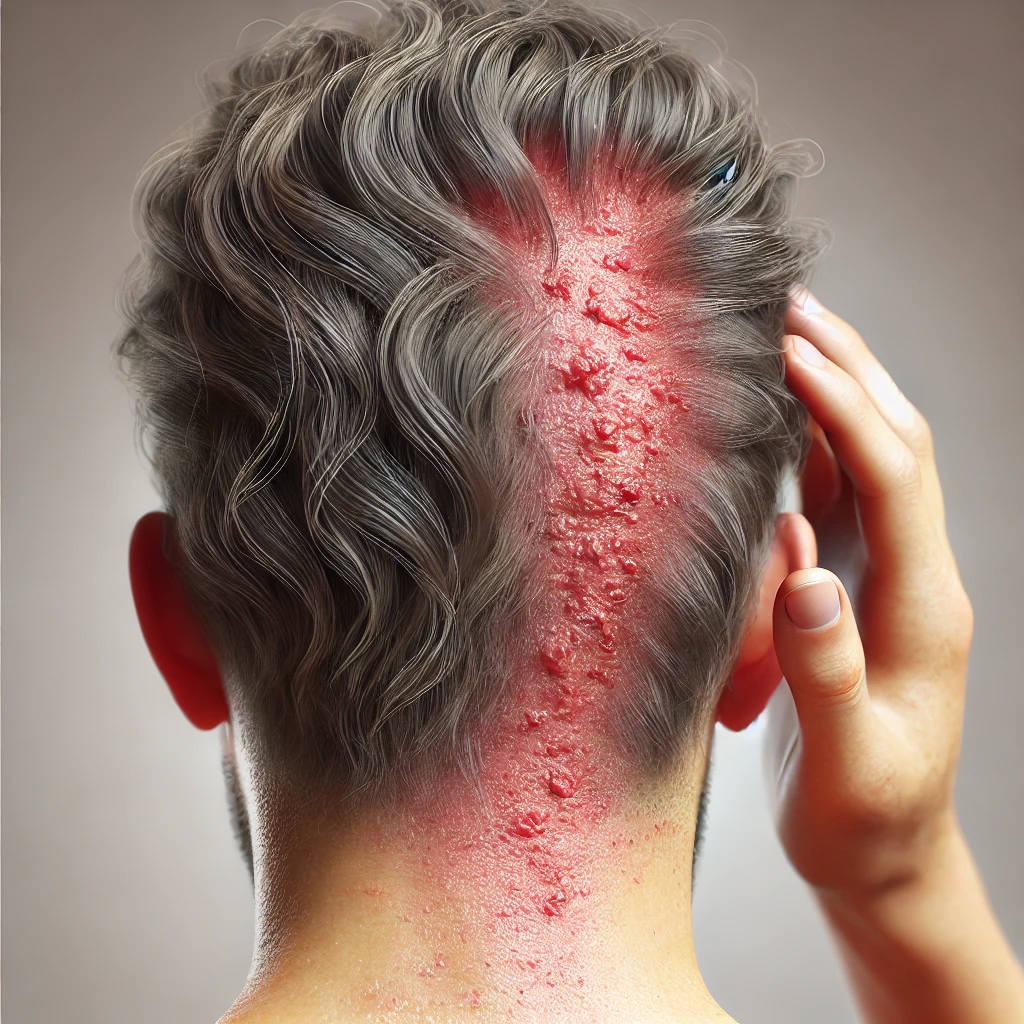
What is Seborrhea?
Seborrhea, also known as seborrheic dermatitis, is a chronic inflammatory skin condition that mainly affects areas rich in sebaceous glands, such as the scalp, face, and upper trunk. It manifests through persistent and occasional flaking, which can be confused with dandruff when it occurs on the scalp.
Causes of Seborrhea
The exact cause of seborrhea is not fully known, but several factors can contribute to its development:
- Excessive sebum production : Excess oiliness can lead to skin inflammation and flaking.
- Fungi (Malassezia sp.) : This microorganism is naturally present on the skin, but in some people, it proliferates uncontrollably, causing damage.
- Genetic factors : Genetic predisposition can influence the onset of the condition.
- Hormonal changes : Hormonal changes, such as those that occur during adolescence or periods of stress, can trigger seborrhea.
- Climate and environmental factors : Cold and humidity can exacerbate symptoms.
- Stress and lifestyle : Emotional stress and an unbalanced diet can contribute to the worsening of the condition.
Symptoms of Seborrhea
The main symptoms of seborrhea include:
- White or yellowish flaking, similar to dandruff.
- Excessive oiliness on the skin and scalp.
- Redness and protection in affected areas.
- Frequent itching.
- In more severe cases, there may be crust formation and intense inflammation.
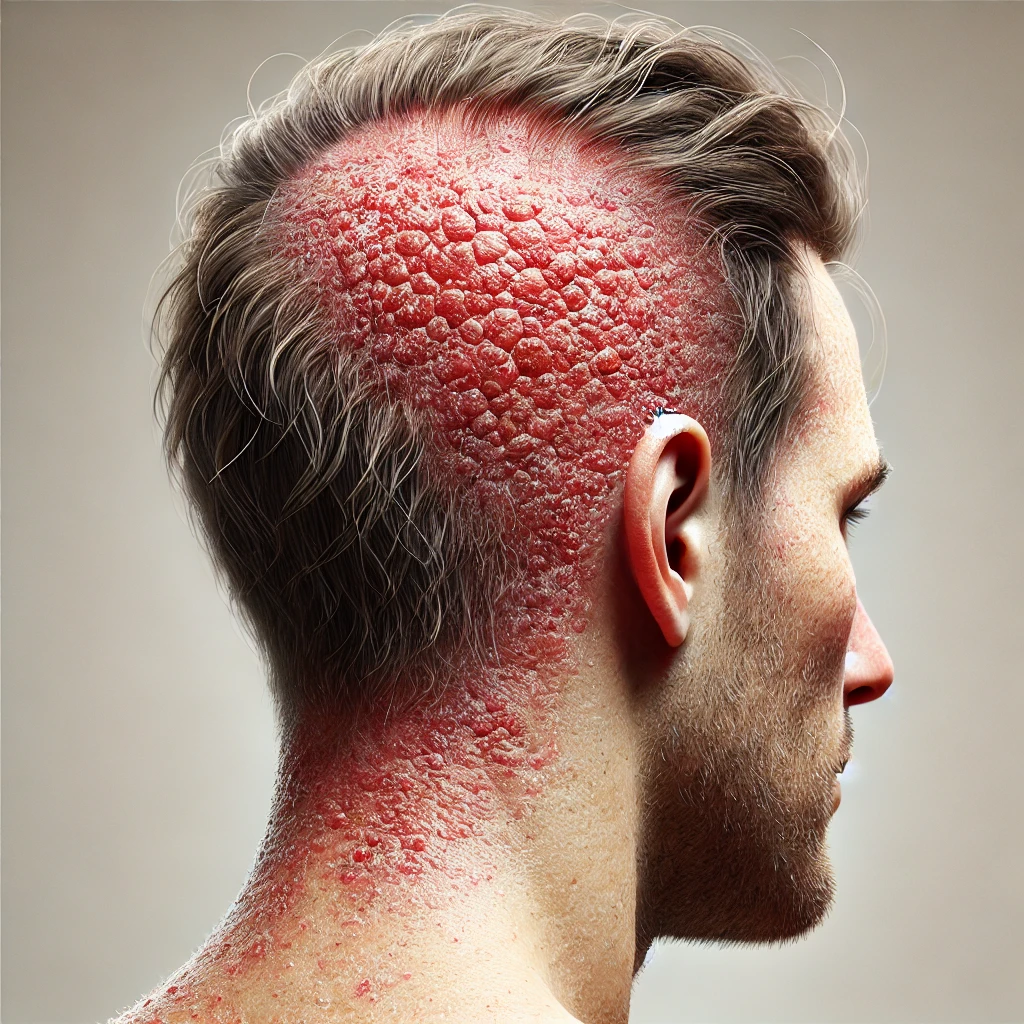
How to treat seborrhea?
The treatment of seborrhea may vary depending on the severity of the condition. Some options include:
1. Shampoos and Topical Products
- Anti-dandruff shampoos with ingredients such as ketoconazole, selenium sulfide, salicylic acid, or zinc pyrithione help control flaking.
- Antifungal creams and ointments may be recommended for areas of the face and body.
- Corticosteroid lotions may be used in more severe cases, always under medical prescription.
2. Hygiene and Routine Care
- Wash your hair regularly with products suitable for your scalp type.
- Avoid very hot baths, as they can dry out the skin and worsen inflammation.
- Use light moisturizers to maintain skin balance.
3. Treatments Natural and Homemade
- Coconut oil : It has antifungal and moisturizing properties.
- Apple cider vinegar : It can help balance the scalp's pH and reduce fungal mortality.
- Chamomile tea : It helps to soothe irritated skin.
- Aloe vera (aloe) : It has a calming and anti-inflammatory effect.
4. Diet and Lifestyle
- Maintain a balanced diet rich in vitamins of the B complex, zinc, and omega-3.
- Avoid fatty and processed foods.
- Reduce stress through relaxation techniques, such as meditation and physical activity.
When to see a dermatologist?
If the symptoms are persistent, intense, or cause great discomfort, it is essential to see a dermatologist. The professional will be able to indicate the best treatment for your case and avoid complications.
Seborrhea is a chronic condition, but with proper care, it is possible to control it and keep the skin and scalp healthy.